Key Takeaways from the Microsoft Frontier Tour 2026
Hear from Senior Solutions Architect Rhys Parry as he unpacks insights from the Microsoft Frontier Tour 2026 and explores Microsoft's evolving approach to enterprise AI.
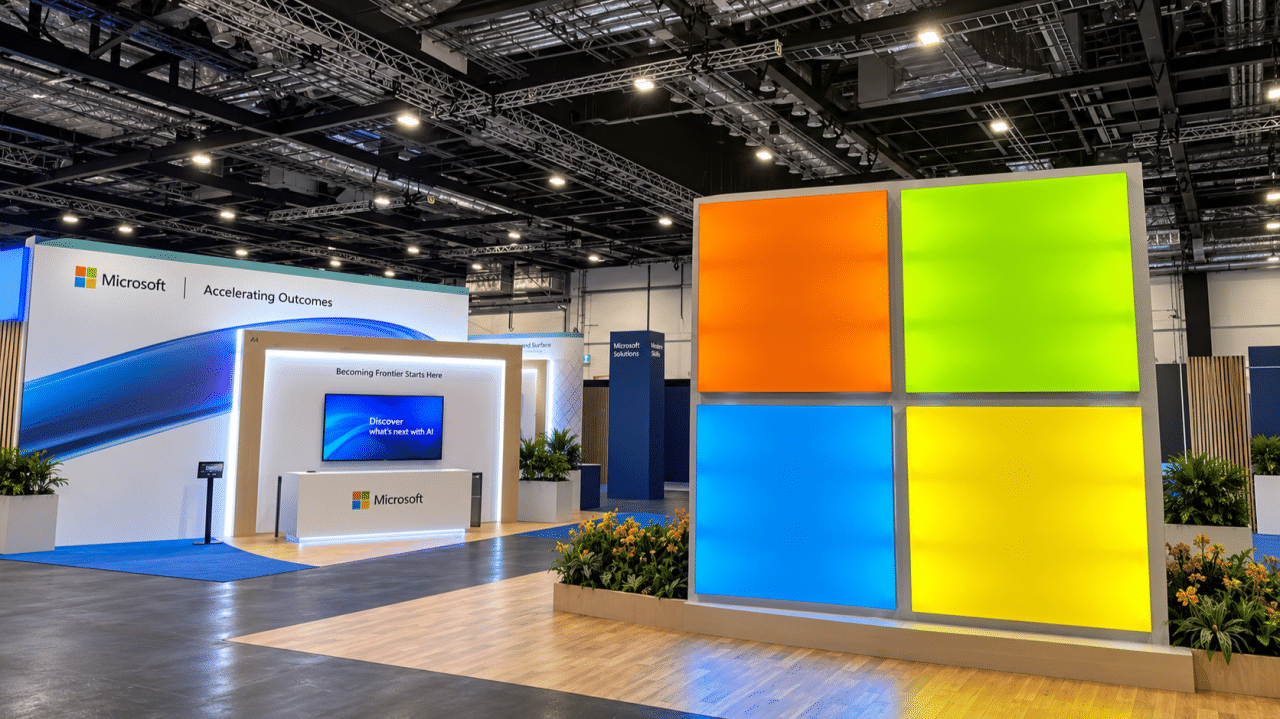
Originally posted on Linkedin here.
Having attended Microsoft Frontier Tour with Telana last week, I came away with the view that Microsoft is moving beyond individual AI products towards a more integrated enterprise AI platform. While developments such as Microsoft IQ, Copilot Cowork, Microsoft Foundry and continued investment in Sovereign Cloud were significant individually, what I found most interesting was how these capabilities fit together.
A key theme was the importance of connecting organisational knowledge, business processes, data and security. Microsoft IQwas a particularly interesting example, aiming to provide AI agents with richer organisational context rather than simply retrieving information from isolated data sources. For organisations, this highlights the growing importance of ensuring business data is accessible, appropriately governed and structured in a way that AI can use effectively.
The evolution of Copilot was another standout area. Capabilities such as Copilot Coworkdemonstrate Microsoft’s shift beyond conversational AI towards delegated, multi-step activities. Rather than simply assisting users with individual tasks, AI is increasingly being designed to coordinate and execute more complex pieces of work. For businesses, this introduces new considerations around identity, permissions, oversight and governance, particularly as AI moves from providing information to acting on behalf of users.
From a technology perspective, Microsoft Foundry reinforces the importance of flexibility. Beyond providing access to models from multiple providers, it offers capabilities for developing, evaluating, deploying and governing AI solutions. This gives organisations greater flexibility to build, deploy and manage secure AI solutions that can evolve alongside changing business requirements and emerging technologies.
Another area that resonated was Microsoft’s focus on sovereign and hybrid AI. With investments in Sovereign Cloud, Azure Local and Foundry Local, Microsoft is providing greater flexibility in where certain AI workloads can operate. For organisations balancing innovation with security, compliance, data residency and operational control, these deployment options are becoming increasingly relevant.
Perhaps the most thought-provoking idea was Satya Nadella’s positioning of Copilot as part of a new operating system for work. While ambitious, it illustrates a future where AI becomes a central interface for accessing information, interacting with business systems and automating processes.
My overall takeaway is that the next phase of enterprise AI is not simply about adopting more tools or models.It is about bringing together organisational knowledge, automation, security and governance to deliver meaningful business outcomes.
For organisations, this raises an important question: are their existing technology foundations ready to support increasingly capable AI?
Data quality, identity, security and integration will play a critical role in determining how successfully businesses adopt these technologies and realise their potential.